
Efficient AFM Sample Preparation Using the MicroSupport AxisPro: Precise Micro-Sample Handling and Mounting Techniques
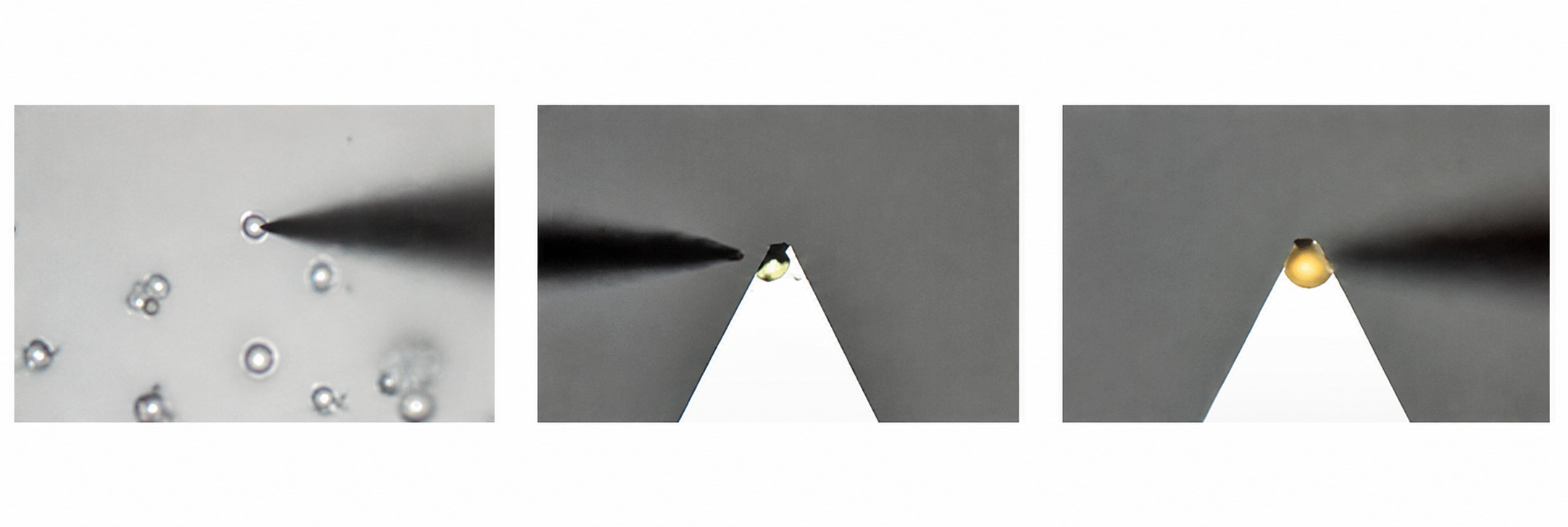
Image Credit: https://www.microsupport.co.jp/
As materials research, semiconductor analysis, and micro-scale characterization continue to advance, there is an increasing demand for analytical systems that deliver accurate and repeatable results. Among these techniques, Atomic Force Microscopy (AFM) plays an important role in nanoscale surface characterization, roughness evaluation, dimensional analysis, and material property investigation. However, the quality of AFM analysis depends heavily on one foundational step: sample preparation.
Even minor inconsistencies in handling, positioning, or mounting can affect imaging accuracy, measurement repeatability, and analytical reliability. Conventional manual sample preparation methods can introduce challenges that become increasingly significant when handling micron-scale samples. To address such challenges, precision micromanipulation systems have become increasingly important in analytical laboratories and advanced research environments. Systems such as AxisPro support highly controlled workflows for micro-sample pickup, positioning, transfer, and mounting under direct microscopic observation.
This post explores the key challenges in AFM sample preparation and how precise micromanipulation supports accurate micro-sample handling, positioning, and mounting, especially for customer AFM tip development. It also examines how the AxisPro system enables controlled sample pickup and placement during sample preparation workflows.
Key Requirements for AFM Sample Preparation
Since AFM is used to characterize surface features at nanometer-scale resolution, even minor inconsistencies in sample preparation can affect image quality and measurement precision. The following are some of the key requirements for effective AFM sample preparation:
- Stable and Secure Sample Mounting: The sample should remain securely attached to the mounting substrate throughout the scanning process. Movement or shifting of the sample during scanning can affect measurement accuracy and image quality.
- Flat and Properly Oriented Sample Surface: AFM measurement quality can be influenced by sample orientation and surface topography. Uneven or improperly positioned samples can contribute to measurement artifacts and inconsistent imaging results. Proper positioning helps ensure that the probe can access and scan the intended area of interest.
- Clean and Contamination-Free Handling: Contamination from dust, oils, fibers, or manual handling tools can interfere with surface analysis and reduce data reliability. Maintaining a clean preparation environment and minimizing unnecessary sample contact help preserve sample integrity.
- Accurate Placement Within the Scanning Region: Microscopic samples should be positioned accurately within the intended scanning area. Inaccurate placement can make target identification difficult and increase preparation time during analysis.
- Compatibility with Downstream Analytical Workflows: In many laboratories, samples prepared for AFM may also undergo SEM, FIB, TEM, or other analytical processes. Sample preparation methods should support compatibility across multiple characterization workflows while helping minimize the risk of sample damage or contamination.
Challenges in Conventional AFM Sample Preparation
Conventional manual sample preparation methods can present challenges when working with the precision requirements of modern AFM workflows. As sample sizes decrease, manual preparation techniques can become increasingly difficult to control and reproduce consistently.
The following are some of the most common challenges associated with conventional AFM sample preparation:
- Difficulty in Handling Micron-Scale Particles: Microscopic particles and ultra-small samples are difficult to manipulate using standard laboratory tools. Even minor hand movement can affect positioning accuracy and increase the risk of sample loss.
- Sample Loss During Transfer: Small particles can easily detach, shift, or become lost during transfer between preparation stages. This becomes particularly problematic when handling rare, fragile, or high-value samples.
- Contamination from Manual Tools or the Environment: Conventional handling methods can increase the likelihood of contamination from tweezers, gloves, airborne particles, or surrounding surfaces. These contaminants may interfere with AFM imaging and reduce measurement reliability.
- Inconsistent Positioning on Mounting Substrates: Manual placement methods may make it more difficult to achieve consistent positioning accuracy at micron scale. Variations in sample orientation or placement location can affect scanning efficiency and repeatability.
- Poor Adhesion Leading to Movement During Scanning: Improperly mounted samples may shift during scanning, which can affect image quality and measurement consistency.
- Operator-Dependent Variability: Manual preparation workflows rely heavily on operator skill and experience. Differences in technique can contribute to variability in preparation quality between users and across repeated analyses.
AxisPro-Based Sample Preparation Workflow
Precision sample preparation requires more than magnification alone. It requires accurate movement control, stable positioning, and manipulation tools capable of operating at micron scale. The AxisPro micromanipulation system is designed for precision micro-sample handling and can support AFM sample preparation workflows where accurate positioning and mounting are required.
When integrated with an optical microscope, AxisPro enables controlled pickup, positioning, transfer, and mounting of microscopic samples under direct visual observation. The system supports precise manipulation tasks while helping reduce the variability commonly associated with manual preparation methods.
A typical AxisPro-based sample preparation workflow incorporates several components that support accuracy and preparation consistency.
- AxisPro Micromanipulator System: The AxisPro platform provides controlled multi-axis movement for precision sample manipulation. Operators can position tools and samples with a high degree of control while maintaining stable motion during transfer and placement procedures.
- Tungsten Probes and Micro-Tools: Tungsten probes, micro-needles, and specialized manipulation tools enable precise interaction with microscopic particles and fragile samples. These tools support controlled pickup and positioning while minimizing direct sample contact.
- Optical Microscope Integration: Microscope integration allows operators to observe manipulation processes in real time. This supports accurate targeting during pickup, alignment, and placement operations.
- Carbon Tape Mounting Substrates: Carbon tape is commonly used as a mounting substrate for small samples during preparation workflows. It supports secure mounting while simplifying sample transfer between analytical workflows.
AxisPro System Capabilities That Improve Sample Preparation
Effective AFM sample preparation depends on accurate positioning, stable motion control, and precise sample manipulation. AxisPro incorporates several capabilities that support preparation precision and workflow repeatability.
- Multi-Axis Movement (X, Y, Z Control): Independent X, Y, and Z movement control enables accurate positioning of probes and samples during pickup and placement operations. This supports precise targeting and controlled manipulation at micron scale.
- Fine Positioning Resolution: High-resolution positioning control allows operators to perform extremely small movement adjustments when handling delicate samples or aligning microscopic particles.
- PC-Based Control for Repeatability: Computer-controlled operation supports consistent execution of repetitive manipulation tasks. Programmable movement control can help reduce operator-dependent variability and support workflow repeatability.
- Micro-Tooling for Sample Handling: Specialized micro-tools support controlled interaction with fragile samples while minimizing unnecessary mechanical stress during transfer procedures.
- Micro-Tweezer Integration for Delicate Sample Pickup: Optional micro-tweezer tools can support controlled pickup and transfer of fragile particles and micro-scale materials.
- Image and Video Recording of Manipulation Workflows: Integrated imaging support enables users to capture images and record videos of manipulation processes for analysis, quality control, documentation, and training purposes.
- Stable Motion Control: Stable motion control minimizes unintended movement during delicate manipulation procedures, helping maintain placement accuracy and sample stability.
Step-by-Step AFM Sample Preparation Workflow
The following workflow illustrates how AxisPro supports controlled AFM sample preparation using carbon tape as a mounting substrate.
- Identify the Target Particle Under a Microscope: The operator first locates the target sample under an optical microscope. Microscopic observation supports visibility and accurate targeting during sample selection.

Image Credit: https://www.microsupport.co.jp/
2.Position the Probe Using the AxisPro Control System: Using X, Y, and Z movement controls, the operator aligns the manipulation tool with the target sample while maintaining stable positioning.
3.Pick Up the Particle Using a Micro-Tool: Tungsten probes or other micro-tools are used to pick up or manipulate the sample with a high degree of control. This helps minimize contamination risk while supporting controlled sample transfer.

Image Credit: https://www.microsupport.co.jp/
4.Transfer the particle to the selected AFM mounting substrate (such as carbon tape, specimen discs, silicon wafers, or other application-specific sample holders): The sample is carefully transported to the mounting substrate under continuous microscopic observation.
5.Precisely Place and Orient the Sample: The operator positions the sample within the desired scanning region and aligns it appropriately for subsequent AFM analysis.

Image Credit: https://www.microsupport.co.jp/
6.Verify Stable Mounting for AFM Analysis: The sample is secured onto the carbon tape substrate to help minimize movement during AFM scanning and subsequent analytical workflows.
By combining microscopic observation with controlled micromanipulation, this workflow supports consistent sample placement and preparation for AFM analysis.
Impact of Precision Sample Preparation on AFM Measurement Quality
Sample preparation quality can significantly influence AFM measurement quality and data reliability. Precision preparation workflows can support sample stability, reduce preparation-related variability, and contribute to more reliable analytical outcomes.
Key benefits include:
- Improved Sample Stability During Analysis: Secure mounting and controlled placement help reduce the risk of sample movement or drift during scanning. Stable sample positioning helps support consistent probe interaction with the surface during analysis.
- Better Imaging and Measurement Accuracy: Accurate positioning and proper sample orientation can support high-quality surface imaging and dimensional measurements.This is especially important when analyzing fine surface features or microscopic structures.
- Reduced Noise and Scanning Errors: Clean handling procedures and stable mounting conditions help minimize preparation-related artifacts and scanning inconsistencies that may interfere with data interpretation..
- Higher Repeatability Across Tests: Controlled and repeatable preparation workflows can help reduce operator-dependent variability, supporting more consistent results across multiple analyses.
- Reliable Data for Research and Quality Control: Accurate sample preparation supports dependable analytical data for research, defect analysis, material characterization, and quality control applications.
Applications and Use Cases
Precision micromanipulation workflows support a wide range of advanced analytical and research applications, including:
- Semiconductor Defect Analysis: Controlled sample handling supports sample preparation workflows used in defect localization, microelectronic failure analysis, and AFM, SEM, and TEM investigations.
- LCD and Display Panel Inspection: Precision manipulation systems support accurate pickup, transfer, and placement of small particles during LCD panel inspection and contamination analysis procedures.
- Battery Material Research: Precise sample positioning supports consistent sample preparation during battery material evaluation and energy storage research workflows.
- Micro-Contamination and Particle Analysis: Precision micromanipulation enables accurate isolation, transfer, and preparation of contamination particles for root-cause analysis and forensic investigations.
- Advanced Materials Research: AxisPro supports controlled manipulation and mounting of delicate materials, including thin films, nanomaterials, fibers, coatings, and fragile microstructures, for advanced material characterization studies.
- FIB and TEM Sample Preparation: Focused ion beam (FIB) workflows often require precision lift-out and transfer of ultra-thin foils for transmission electron microscopy (TEM) analysis. Controlled micromanipulation can support handling and transfer of FIB-prepared specimens during subsequent preparation and analysis workflows. while helping minimize the risk of sample damage.
- MEMS and Microelectronics Development: Microelectromechanical systems (MEMS) and compact electronic assemblies involve extremely small and delicate structures that require controlled positioning during inspection and analysis. Precision manipulation supports sample preparation and handling workflows used in microelectronics research and device characterization.
- Nanotechnology and Surface Science Research: AxisPro’s high-precision positioning capabilities support controlled preparation and positioning of nanoscale samples for AFM surface analysis and experimental studies.
- Failure Analysis and Quality Control Laboratories: Analytical laboratories use precision sample preparation workflows to support consistent sample handling during defect analysis, material verification, contamination testing, and quality assurance procedures.
- Academic and Research Institutions: Universities and research laboratories benefit from controlled micromanipulation workflows for experimental material studies, nanoscale characterization, and interdisciplinary analytical research applications.
Comparison: Manual vs AxisPro-Based Preparation
Here are the key differences between conventional manual sample preparation and Axis Pro-based precision micromanipulation workflows for AFM applications:
| Parameter | Manual Preparation | AxisPro-Based Preparation |
| Sample Handling | Direct manual interaction increases handling risk | Controlled manipulation using precision micro-tools |
| Workflow Consistency | Highly operator-dependent | Repeatable and controlled workflows |
| Sample Stability | Greater risk of movement during analysis | Controlled sample placement designed to support sample stability |
| Contamination Risk | Higher risk from manual tools and environment | Reduced risk of contamination through controlled handling |
| Handling of Fragile Samples | Difficult to manage delicate structures safely | Improved control for fragile and micro-scale samples |
| Particle Transfer Accuracy | Inconsistent particle pickup and placement | Precise pickup and controlled transfer operations |
| Repeatability Across Tests | Variable results between operators | Supports repeatable preparation procedures |
| Microscope Integration | Limited coordination during manipulation | Real-time manipulation under microscopic observation |
| Documentation Capability | Minimal process recording | Image and video recording of manipulation workflows |
| Preparation Speed | Slower for complex micro-scale tasks | Improved control and efficiency for complex micro-scale preparation tasks |
| Analytical Reliability | Increased variability in measurement quality | Supports consistent sample preparation for analytical workflows |
Best Practices for Sample Preparation
Following appropriate sample preparation procedures can help support AFM measurement quality and analytical consistency.
- Use appropriate microscope magnification to identify, target, and manipulate microscopic samples during preparation.
- Maintain a clean working environment to help preserve sample integrity and support reliable analysis.
- Select suitable micro-tools based on sample size, material properties, and handling requirements to support controlled manipulation.
- Verify that the micromanipulation system is properly stabilized and calibrated before beginning sample transfer or positioning procedures.
- Verify sample placement, orientation, and adhesion on the mounting substrate before initiating AFM scanning or downstream analysis.
Improve Your AFM Sample Preparation Workflow with Barnett Technical Services
Looking to enhance micro-sample handling, positioning accuracy, and preparation repeatability for AFM analysis?
Barnett Technical Services provides precision micromanipulation solutions designed for advanced analytical and laboratory workflows. Explore the AxisPro Micromanipulation System and connect with the team to identify the right solution for your sample preparation application.